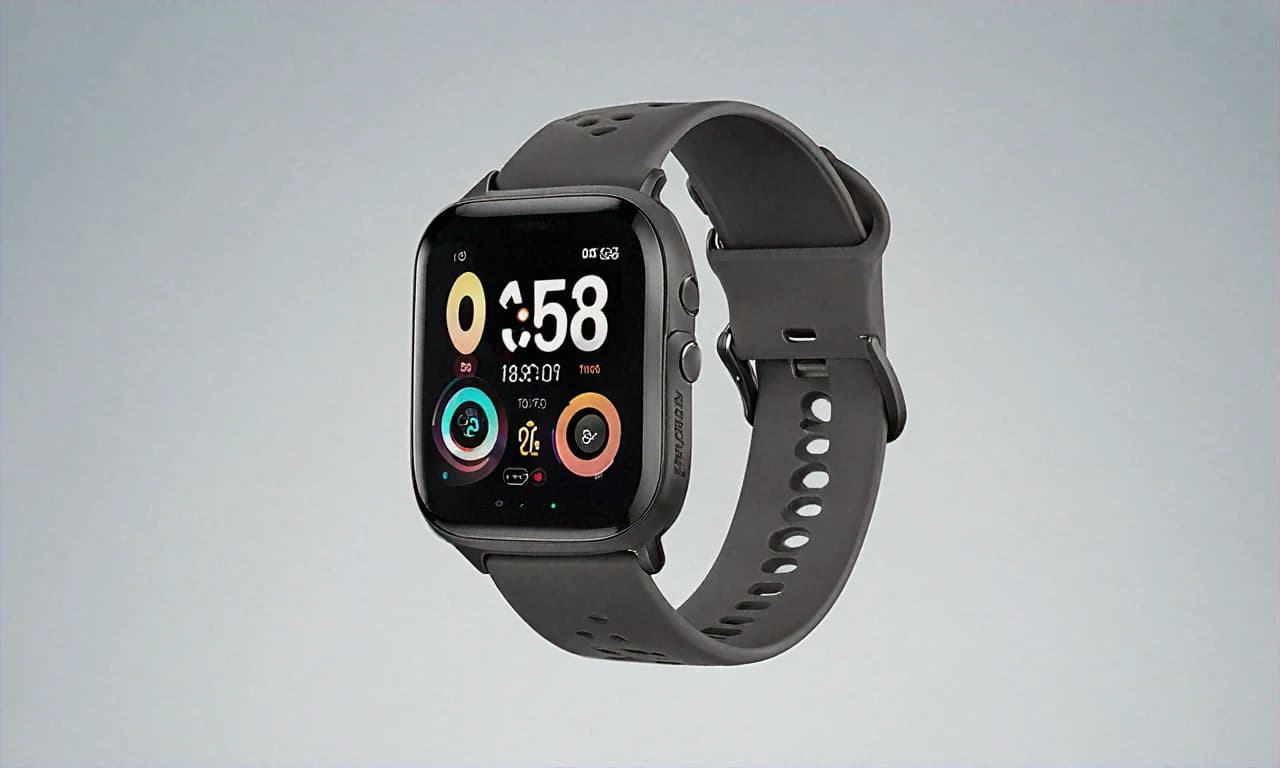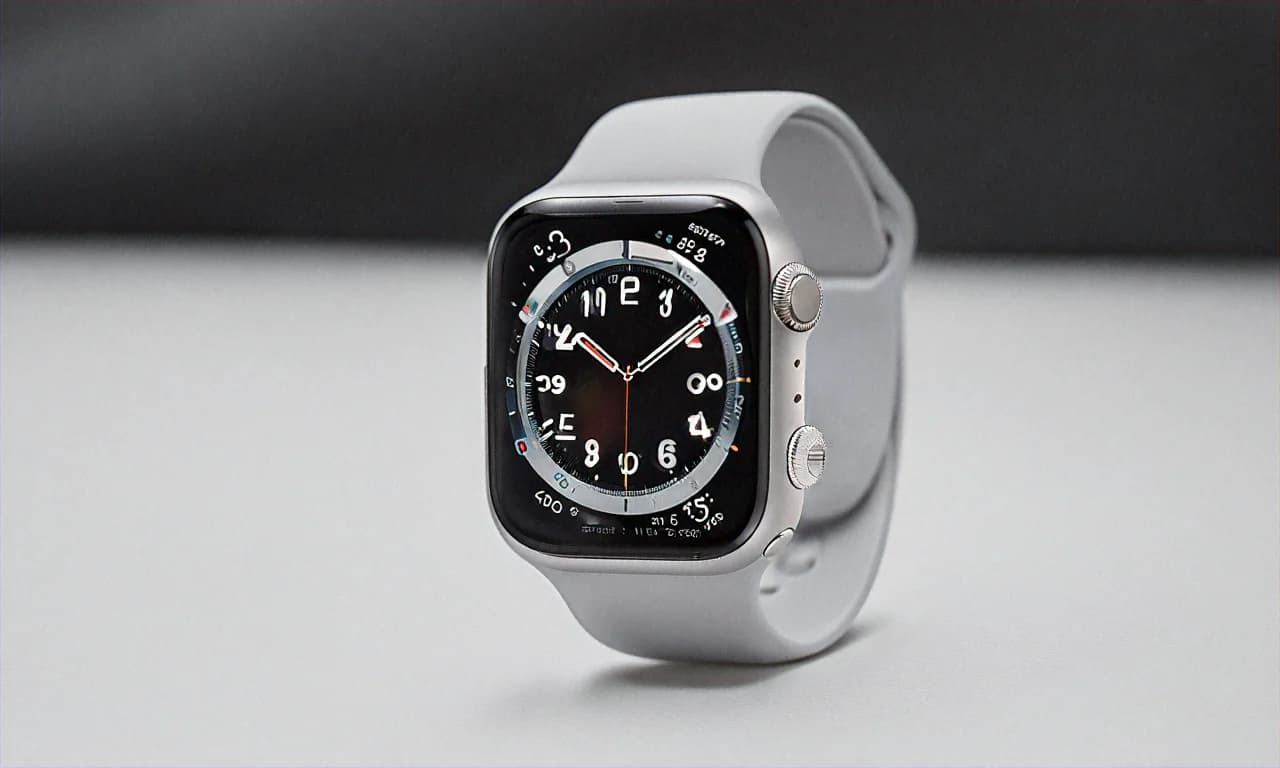
So, Is This the Best Time to Buy an Apple Watch in India?
Let me just get straight to it. The Apple Watch Series 10 GPS is sitting at ₹39,999 on Amazon India right now. MRP? ₹46,900. That's almost seven grand off, and honestly, I've been tracking Apple Watch prices for the last three years, and this is the lowest I've seen for a current-gen model. Not a refurbished unit. Not an older Series. The actual Series 10.
Now here's where it gets even more interesting for some of you. If you have an HDFC Bank credit card — and let's be real, half of urban India seems to have one at this point — you can grab an additional ₹1,500 instant discount. That brings your effective price to roughly ₹38,499. SBI card holders aren't left out either; there's a smaller cashback running during select sale windows. I'd suggest checking the deal page directly because these bank offers change almost weekly on Amazon.
I picked up the Series 10 about two months back when it was hovering around ₹42,000, and I honestly wish I'd waited. That's just how it goes with Apple pricing in India, right? You never know when the next dip is coming. But at ₹39,999, I think we're very close to the floor price for this model. It probably won't get cheaper unless Apple announces the Series 11 later this year.
First Impressions — Thinner Than You Would Expect
The very first thing I noticed when I unboxed this watch was how thin it felt. Apple claims 9.7mm, which doesn't sound like a big deal on paper. But coming from a Series 7, the difference is immediately noticeable on the wrist. It slides under shirt cuffs more easily. It doesn't catch on things as much. My wife actually thought I'd switched to a different brand because it looked so different from my old one.
The display is the other thing that hits you right away. Apple is calling it a wide-angle OLED, and what that means in practice is that the screen is readable even when you're looking at it from a sharp angle. Like, if your hand is resting on a table during a meeting and you just glance down without raising your wrist, you can still see the time and notifications clearly. On older models, the screen would wash out in that position. Small thing, but once you get used to it, you can't go back.
The screen itself is also bigger than any previous Apple Watch. Now, Apple does this thing where the bezels get thinner with each generation, so the case size isn't drastically bigger, but the usable screen area is noticeably larger. Reading WhatsApp messages, checking Google Maps directions, scrolling through workout stats — everything feels less cramped. If you have ever squinted at a notification on an older Apple Watch, this is the upgrade you have been waiting for.
The S10 Chip and watchOS 11 — Does It Actually Feel Faster?
Honestly? Yes, but not in the way you might think. I was running watchOS 10 on my Series 7, and it was already pretty smooth. The S10 chip in the Series 10 does not make the watch feel like a rocket ship compared to older models. What it does is make everything just a tiny bit more responsive. Apps open a half-second faster. Siri responds a bit quicker. Animations are smoother. It's one of those things where you only really notice when you go back to an older watch.
watchOS 11 brings some nice quality-of-life improvements. The new Smart Stack is actually useful now — it surfaces widgets based on your routine. So in the morning, I see my sleep summary and weather. Before my usual evening walk time, it shows the Workout app. During Diwali week, it was showing me my Activity rings more prominently, probably because I was being lazier than usual and it was trying to guilt-trip me. Thanks, Apple.
The training load feature is something I've started paying attention to. It tracks how hard your workouts have been over the past week and tells you if you're overtraining, undertraining, or in the sweet spot. For someone like me who has been trying to get more consistent with running — I do about 3-4 runs a week around the Cubbon Park area in Bangalore — this has been truly helpful. I used to just go by feel, and apparently my feel was way off because I was overtraining on some weeks and barely doing anything on others.
Health Features — The Real Reason People Buy Apple Watches
Let's talk about what actually matters to most buyers. The health tracking on the Series 10 is stacked. You get blood oxygen monitoring, ECG, continuous heart rate tracking with irregular rhythm notifications, wrist temperature sensing, and the brand new sleep apnea detection. That last one is a big deal.
Sleep apnea detection works by monitoring your breathing patterns through the accelerometer while you sleep. If it detects signs of moderate to severe sleep apnea over a 30-day period, it alerts you and suggests consulting a doctor. Now, I want to be clear — this isn't a medical diagnosis. But my uncle, who lives in Pune, was told by his doctor to get a sleep study done, and he kept putting it off because the sleep labs there had long waiting times. If he had something like this on his wrist flagging potential issues, he might have acted sooner. That's the value of these features — they're early warning systems, not replacements for doctors.
The ECG feature has been available in India for a while now, and it works well. You just rest your finger on the Digital Crown for 30 seconds, and it gives you a reading. My father, who's 62 and slightly paranoid about his heart health after a friend had a cardiac event last year, actually bought a Series 9 mostly for this feature. He checks it almost daily. Is that excessive? Probably. But the peace of mind is worth something.
Heart rate tracking with irregular rhythm notifications is another quietly important feature. It runs in the background and pings you if it detects signs of atrial fibrillation. The temperature sensor is primarily aimed at menstrual cycle tracking, offering retrospective ovulation estimates — something my wife has found moderately useful, though she says the Clue app still gives her more detailed insights.
Fitness Tracking for the Average Indian
Now look, I'm not a fitness influencer. I am a 30-something guy in Bangalore who tries to stay active but also really enjoys biryani. So take my fitness assessment from that perspective. The Apple Watch Series 10 tracks over 100 workout types and can automatically detect when you start common exercises like walking, running, cycling, or swimming. The auto-detection is surprisingly accurate — about two minutes into a brisk walk, it taps my wrist and asks if I want to record it.
Swimming tracking is something I've used a few times at the pool in my apartment complex. It counts laps, tracks stroke type, and even measures water temperature now. The depth gauge supports recreational dives up to 6 metres, which I'll probably never use, but it's nice to know it's there if I ever go snorkelling in Andaman or Goa.
The workout app itself is well-designed. You get real-time stats, customisable views, and post-workout summaries that are detailed without being overwhelming. The Activity Rings gamification still works on me after all these years. There's something about closing those three rings that triggers a tiny dopamine hit. Apple knows exactly what they're doing with that psychology.
Battery Life — Let Us Be Honest About This
Okay, here's where I've to be honest. Battery life is still 18 hours. That is what Apple claims, and in my experience, that's roughly what you get with the always-on display enabled, a workout or two, and regular notification checking. Sometimes I get to bedtime with about 20% left. Sometimes less.
Is 18 hours enough? I mean, it depends on your expectations. If you're coming from a Garmin or an Amazfit that lasts two weeks, the Apple Watch battery life will annoy you. No way around it. You will need to charge it every single day, or at least every night. I've gotten into the habit of putting it on the charger while I shower and get ready in the morning — it goes from about 15% to 80% in roughly 30 minutes thanks to the fast charging. So it works, but it requires a routine.
For sleep tracking, Apple obviously wants you to charge the watch before bed and wear it overnight. The fast charging makes this possible, but it's still one extra thing to remember. My friend who switched from a Galaxy Watch Ultra to the Apple Watch Series 10 says the battery is his single biggest complaint. He was used to charging every three days. Now it's every day. He is still using the Apple Watch though, so make of that what you will.
I honestly think Apple could improve battery life significantly if they wanted to. The chip efficiency is there. But they seem to prioritize thinness and weight over bigger batteries. Maybe the Series 11 will finally give us a two-day battery. I'm not holding my breath though.
The GPS-Only Model — Is Cellular Worth the Extra Money?
This deal is for the GPS model, not the cellular version. What that means is the watch needs your iPhone nearby (or on the same Wi-Fi network) to do things like make calls, send messages, or stream music. Without your phone, you can still track workouts with GPS, listen to downloaded music or podcasts, and use any data already synced to the watch.
For most people in India, the GPS model is the way to go. The cellular model costs significantly more and requires a separate eSIM plan from Jio or Airtel, which adds a monthly cost. Unless you regularly go for runs or workouts without your phone and absolutely need to be reachable, the GPS model covers 95% of use cases. I've the GPS model and have never felt limited by it. My phone is always within Bluetooth range anyway — pocket, bag, desk, bedside table.
Compatibility — The Elephant in the Room
I've to mention this because I get asked about it constantly. The Apple Watch only works with iPhones. If you have a Samsung, OnePlus, Pixel, Xiaomi, or any other Android phone, this watch isn't for you. Full stop. There's no workaround, no hack, no third-party app that will make it work. Apple has locked this down completely.
In India, where Android dominates the smartphone market, this limits the audience significantly. If you're in the Apple world already — iPhone, AirPods, maybe a MacBook — then the Apple Watch fits in beautifully. Everything just works together. AirPods automatically switch between your iPhone and Watch. You can unlock your MacBook with the watch. You can use the watch as a remote for your iPhone camera. It's a walled garden, but it's a very nice garden.
If you're an Android user looking for a similar experience, check out the Samsung Galaxy Watch series or the Google Pixel Watch. They're great in their own right, just different.
Should You Buy at ₹39,999? My Honest Take
Here is how I think about it. If you already have an iPhone and you either don't have a smartwatch or are using something older than the Series 7, this is an excellent time to buy. The ₹39,999 price is genuinely good for what you're getting — and if you can stack the HDFC or SBI bank offer on top, it becomes even more attractive.
If you have a Series 8 or Series 9 and are wondering if the upgrade is worth it — probably not, unless the thinner design and larger display really appeal to you, or you specifically want sleep apnea detection. The improvements are nice but incremental.
If you're a student or on a tight budget and ₹40,000 feels like a lot for a watch, it's a lot. I'd not stretch your budget for this. Look at the Apple Watch SE, which drops to around ₹22,000-24,000 during sales. It gives you most of the core features without the premium price tag.
I also want to mention timing. If you're reading this during Diwali, Republic Day sale, or the Great Indian Festival on Amazon, you might find this price or even slightly better deals. Amazon tends to have the most aggressive Apple Watch pricing among Indian retailers, though Flipkart occasionally matches it during Big Billion Days. Croma and Reliance Digital sometimes throw in free accessories like extra bands, which has its own value.
A Quick Word About Bands and Accessories
The default Sport Band is fine. It is comfortable, sweat-resistant, and comes in nice colours. But one of the joys of owning an Apple Watch is the band market. Apple's official bands are absurdly expensive in India — some cost more than budget smartwatches. But the third-party market on Amazon is massive. You can get a decent stainless steel milanese loop for ₹500-800, a fabric sport loop for ₹300, or a leather band for ₹600-900. I've about six bands now and I swap them based on the occasion. Metal band for office. Sport band for workouts. Fabric loop for weekends. It's like having multiple watches for the price of one.
Final Thoughts
The Apple Watch Series 10 at ₹39,999 is the best deal I've seen on a current-generation Apple smartwatch in India. The combination of the thinnest design yet, that gorgeous wide-angle OLED display, a full suite of health sensors including sleep apnea detection, and the smooth watchOS 11 experience makes it hard to find fault with — unless you count the battery life, which yes, is still just okay. Not terrible, not great, just okay.
If you're in the Apple world and have been holding out for a good price, this is your sign. Grab the HDFC instant discount if you can, consider picking up a couple of third-party bands, and enjoy what's actually the best smartwatch available for iPhone users today. Just remember to charge it every night. You will get used to it, I promise.