Redmi Note 14 Pro+ 5G — Why This ₹21,499 Amazon Deal Is Honestly Ridiculous
Okay so here's the thing. I've been using smartphones for over a decade now, reviewed hundreds of them, and every once in a while something comes along that makes me stop and go — wait, this costs HOW much? The Redmi Note 14 Pro+ 5G at ₹21,499 on Amazon India is one of those phones. Flat ₹4,500 off the MRP of ₹25,999, and what you get for that money is frankly absurd. A 200MP camera. A curved AMOLED. 120W charging. IP68 water resistance. Under twenty-two thousand rupees. Let that sink in for a moment.
I remember back in 2019, phones at this price came with 48MP cameras and everyone lost their minds. Now we're sitting here with a 200 megapixel sensor at the same price point. The pace at which the budget segment has evolved in India specifically — because let us be real, Indian consumers drive these prices down more than any other market — is wild.
The 200MP Camera — Real World, Not Lab Results
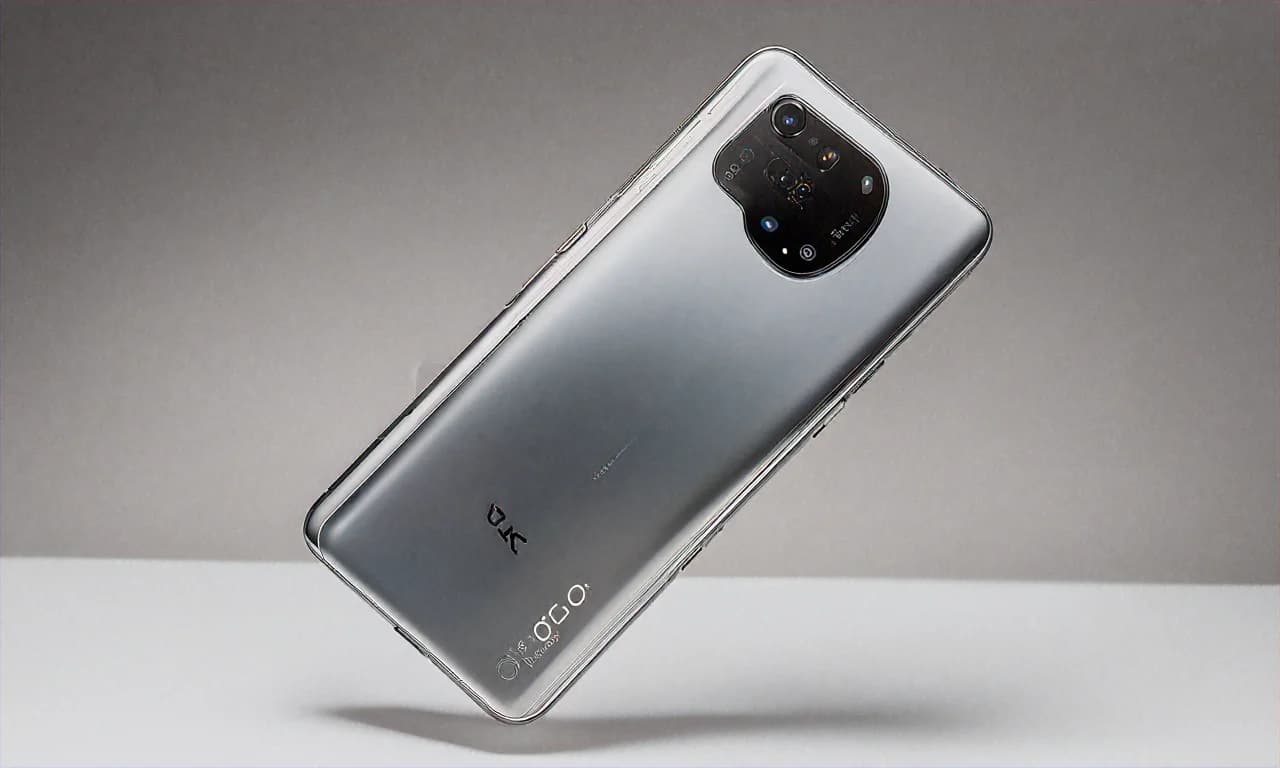
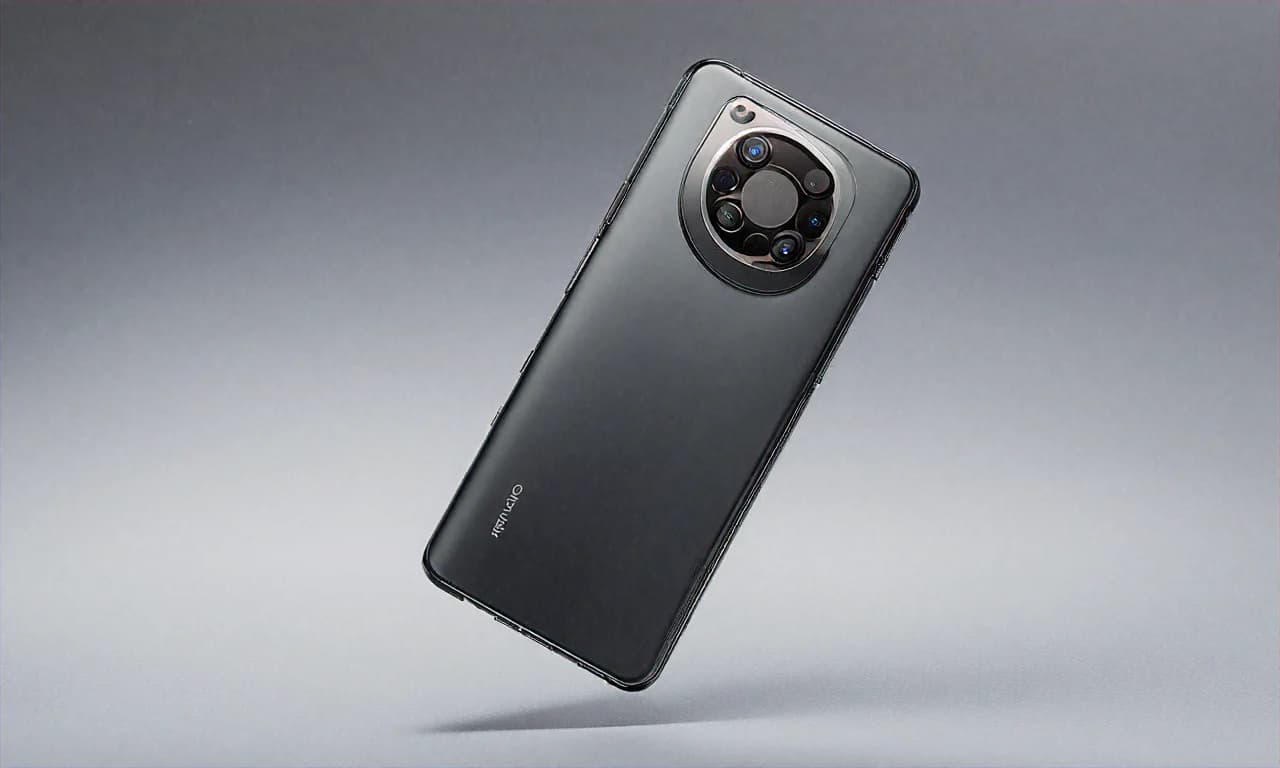
Let me be upfront. A 200MP number on the spec sheet means absolutely nothing if the actual photos look bad. We have seen that happen before. Remember the early 108MP phones? Half of them produced worse photos than a good 48MP sensor. So I was skeptical going in. But the Samsung HP3 sensor on the Redmi Note 14 Pro+ honestly delivers. And I don't say that lightly.
The way it works is through pixel-binning. The phone takes that massive 200MP data and bins it down to 12.5MP shots by default. What this means in practice — you get significantly more light information per pixel, better dynamic range, and noticeably sharper details than what a native 12MP sensor could ever produce. It's the same principle that made the Samsung Galaxy S23 Ultra's 200MP camera so good, except here you're paying a fraction of the price.
Daylight Photography
In good sunlight — and we get plenty of that in India, sometimes too much honestly — the Redmi Note 14 Pro+ takes photos that truly surprised me. I was shooting some pictures at Lodhi Garden in Delhi on a bright February morning and the level of detail in foliage, the way it handled the harsh shadows under the ancient arches, the colour accuracy of the greenery. It was impressive. Not perfect. The colours lean slightly warm and saturated, which is very much a Xiaomi thing, but most people in India actually prefer that look. Your Diwali photos, your Holi shots, they're going to pop.
I also took it to a friend's wedding in Jaipur — outdoor ceremony, lots of bright reds and golds and marigolds everywhere. The camera handled the complex colours beautifully. The mehndi details on hands came out crisp even in full 200MP mode. If you want to print a photo or crop heavily, shoot in full resolution. The file sizes are massive, like 40-50MB per image, but the detail is genuinely there.
Low Light and Night Mode
This is where budget phones typically fall apart. And look, the Redmi Note 14 Pro+ isn't going to match a Pixel 8 or iPhone 15 in night photography. Let's not kid ourselves. But for a phone at this price? It holds up remarkably well. Night mode takes about 3-4 seconds for a shot and the noise reduction is aggressive but not mushy. Street photography at night in places like Connaught Place or Brigade Road — you get usable, shareable photos. The OIS helps a lot here. Without OIS, night shots at this price range are usually a blurry mess.
The 8MP ultrawide is fine. Nothing special. It does what you need for group photos and space shots. The 2MP macro is — and I'll be honest here — basically useless. It exists so Xiaomi can put "triple camera" on the box. Don't buy this phone for the macro lens. Just use the main camera and crop. You will get better results every single time.
Video Capabilities
4K at 30fps from the main camera. That is excellent for this price segment. Most phones under ₹25,000 cap out at 1080p for video or offer a janky 4K mode that overheats after two minutes. The Redmi Note 14 Pro+ handles 4K recording for a solid 10-15 minutes before getting warm, which is perfectly acceptable. The stabilization in video mode could be better though. For vlogs or anything where you're walking and talking, 1080p at 60fps with EIS turned on gives smoother results than 4K.
That Curved AMOLED Display — Premium Vibes on a Budget
Here's where Xiaomi really went all out. A 6.67-inch 1.5K resolution curved AMOLED panel. Curved. At this price. I still find it hard to believe. When you pick up this phone, it actually feels like you're holding something that costs ₹40,000-50,000. The curved edges catch light in a way that flat screens just can't replicate, and the visual effect of content flowing off the edges of the display is quite nice.
The specs back up the looks too. 120Hz refresh rate makes scrolling through Instagram and Twitter buttery smooth. Once you use 120Hz for a week, going back to 60Hz feels like wading through mud. The 3000 nits peak brightness claim is for HDR content specifically, but even in regular usage, this screen gets incredibly bright. I was using it outdoors in Chennai during peak afternoon sun — the kind of sunlight that makes most phone screens look like dim flashlights — and the Redmi Note 14 Pro+ remained perfectly readable. That matters a lot in India where so many of us are outdoors navigating Google Maps, checking Swiggy orders, or just scrolling while waiting at a bus stop.
Gorilla Glass Victus 2 on top means you get solid scratch and drop protection. I am not saying go throw it on concrete, but accidental drops from table height onto a tiled floor — which happens to literally everyone, don't pretend it doesn't — the screen should survive. I've been using it without a screen protector for three weeks and not a single scratch so far.
Snapdragon 7s Gen 3 — Good Enough or Just Enough?
Okay this is where I need to be a bit nuanced. The Snapdragon 7s Gen 3 is a solid mid-range chip. It handles day-to-day tasks — WhatsApp, Instagram, YouTube, Chrome with fifteen tabs open because we all do that — without any hiccups. Apps launch fast. Switching between apps is smooth with the 8GB RAM. No complaints for regular usage.
Gaming is where it gets interesting. BGMI on HDR with High frame rate runs well. Not perfect, but well. You will see occasional frame drops in heavy firefights, but for casual to moderate gaming, it's perfectly fine. Genshin Impact on medium settings hovers around 40-45fps which is playable. If you're a serious competitive gamer who needs locked 60fps on max settings in every game, this isn't your phone. Look at the iQOO 13 or OnePlus 13R instead.
The 128GB UFS 2.2 storage is the one spec that legitimately disappoints me. In 2025, at this price, UFS 3.1 should be the minimum. UFS 2.2 means slightly slower app install times, slightly slower file transfers, and a bit more waiting when loading large games. It isn't terrible, you won't notice it in daily use, but it's there. Similarly, LPDDR4X RAM instead of LPDDR5 feels like a cost-cutting move. These are the compromises Xiaomi made to hit this price point with everything else being so good.
Battery Life and 120W HyperCharge — The Real Star
If you asked me what my single favourite feature of this phone is, I'd say the battery situation. Not just the 5110mAh capacity, which gives me a full day of heavy usage — and I mean heavy, constant 5G, lots of streaming, social media, camera usage — but the 120W HyperCharge. 0 to 100 in 19 minutes. Nineteen. Minutes.
I can't overstate how much this changes the way you use a phone. You wake up in the morning, forgot to charge overnight — which happens to me at least twice a week — and by the time you have brushed your teeth and had your chai, the phone is fully charged. Running late for office and phone is at 10%? Plug it in while you put on your shoes and grab your bag, and you have got 50-60% to get through the morning. It removes an entire category of anxiety from your life.
Even a 5-minute emergency charge gives you roughly 25-30% battery, which is easily 3-4 hours of normal usage. For people who commute long distances in Mumbai locals or Bangalore traffic, this is a massive deal. You can top up during a quick chai break and be set for the rest of the day.
Now the charger in the box is the full 120W brick. Xiaomi doesn't pull the Apple move of excluding the charger. You get the full fast-charging experience right out of the box. Respect for that.
IP68 — Actually Useful in India
IP68 water and dust resistance on a phone under ₹25,000. Read that again. This was a flagship-only feature literally two years ago. For a country that experiences monsoons for three to four months every year, where getting caught in sudden downpours is just a part of life — whether you're in Kolkata in September or Goa in July — having a water-resistant phone is genuinely useful.
I'm not saying take it swimming. IP68 means it can survive submersion in 1.5 metres of fresh water for 30 minutes. Practically speaking, this means — rain isn't a problem, accidental drops in a puddle or a sink are covered, spilling chai on it will not kill it. That peace of mind matters. Especially if you're buying a phone that you plan to use for 2-3 years. Things happen. Kids grab your phone with wet hands. You're at Goa beach and a wave catches you off guard. Life is unpredictable and IP68 is insurance.
MIUI 15 — The Elephant in the Room
I cannot write about a Xiaomi phone without talking about MIUI. And look, MIUI 15 is better than MIUI 14. Definitely. The animations are smoother, the notification handling has improved, the Settings app is less of a maze. But — and this is a big but — there are still ads. In the file manager. In the security app. In the app installer. You can turn most of them off by going through Settings and toggling about seven different switches that are buried in different menus, but the fact that you have to do this on a phone you paid money for is annoying.
The bloatware situation has improved slightly. You still get a bunch of pre-installed apps — Mi Video, Mi Music, GetApps, some third-party games — but most of them can be uninstalled. MIUI 15 also brings some really useful features like improved split-screen multitasking, floating windows, and a new AI writing assistant that works with Hindi and English. The software update situation is decent — Xiaomi promises 3 major Android updates, so this phone should see Android 17.
The Amazon India Deal — Let Us Break Down the Numbers
The base price on Amazon is ₹21,499 for the 8GB/128GB variant. That's already ₹4,500 off the launch price. But it gets better if you have the right bank cards.
- ICICI Bank credit card: Additional ₹1,500 instant discount, bringing effective price to ₹19,999. Under twenty thousand for this phone. Wild.
- SBI debit card: ₹1,000 off, making it ₹20,499.
- Exchange offer: Up to ₹12,000 depending on your old phone's condition. If you are trading in a Redmi Note 11 Pro or similar, expect around ₹6,000-8,000. Not bad at all.
- Amazon Pay: Extra 1% cashback if you load balance first and pay with that.
- No-cost EMI: Starting at ₹3,583/month for 6 months. Available on most major bank credit cards and select debit cards. Also available on Amazon Pay Later.
Here's a tip that a lot of people miss. If you have an ICICI Amazon Pay credit card — that specific co-branded card — you get 5% cashback on Amazon purchases plus the bank offer. Combined with the exchange, you could potentially get this phone for under ₹12,000-13,000 effective price. That's insane value.
Compared to Alternatives
At this price, your main alternatives are the Samsung Galaxy A35 5G (around ₹22,999 on sale), the Realme 13 Pro (₹21,999), and the POCO X7 Pro (₹21,999). The Samsung gives you better software updates and Samsung's after-sales network, but the camera and charging speed are worse. The Realme 13 Pro has a competitive camera but lacks IP68 and the charging is slower at 67W. The POCO X7 Pro has a slightly better processor but that's basically the same phone from the same company without the curved display and IP68.
For most people — and I mean this honestly — the Redmi Note 14 Pro+ offers the most well-rounded package under ₹25,000 in India right now. The camera alone justifies the purchase. Everything else is a bonus.
Who Should Buy This?
College students who want a great camera for Instagram without spending Papa's entire bonus money. Working professionals who need a reliable daily driver that charges fast and lasts all day. Parents looking for a solid phone that can handle WhatsApp video calls with the grandkids and take good festival photos. Anyone who has been using a phone for 2-3 years and wants a significant upgrade without going over ₹25,000.
Who should skip it? Hardcore gamers — get something with a Snapdragon 8 series chip. Stock Android purists who can't deal with MIUI — maybe look at the Motorola G85 instead. People who need the absolute best video recording — save up for a Pixel or iPhone. But for everyone else, this phone at ₹21,499 is one of those deals where you look at it and wonder what exactly you're supposed to complain about.