So I Finally Got My Hands on the Vivo X200 Pro. And Yeah, the Camera Hype is Real.
Look, I'll be honest with you. When Vivo first announced the X200 Pro in India, I was skeptical. Like properly skeptical. ₹94,999 for a Vivo phone? My brain just couldn't process that. I've been using phones from every brand for the last six years now, reviewing them, testing them, breaking them sometimes (that one time in Pune with the OnePlus — let's not talk about it). And in all that time, I'd always slotted Vivo into the "great cameras, okay everything else" category in my head. But the X200 Pro? It made me rethink a lot of things. And now that Flipkart has dropped it to ₹79,999, which is a full ₹15,000 off the original MRP, I think it's actually worth talking about in detail.
Let me walk you through what I've experienced with this phone over the past few weeks, what I loved, what annoyed me, and whether this Flipkart deal actually makes sense for your money.
The ZEISS Camera Setup — This is Where Vivo Goes All In
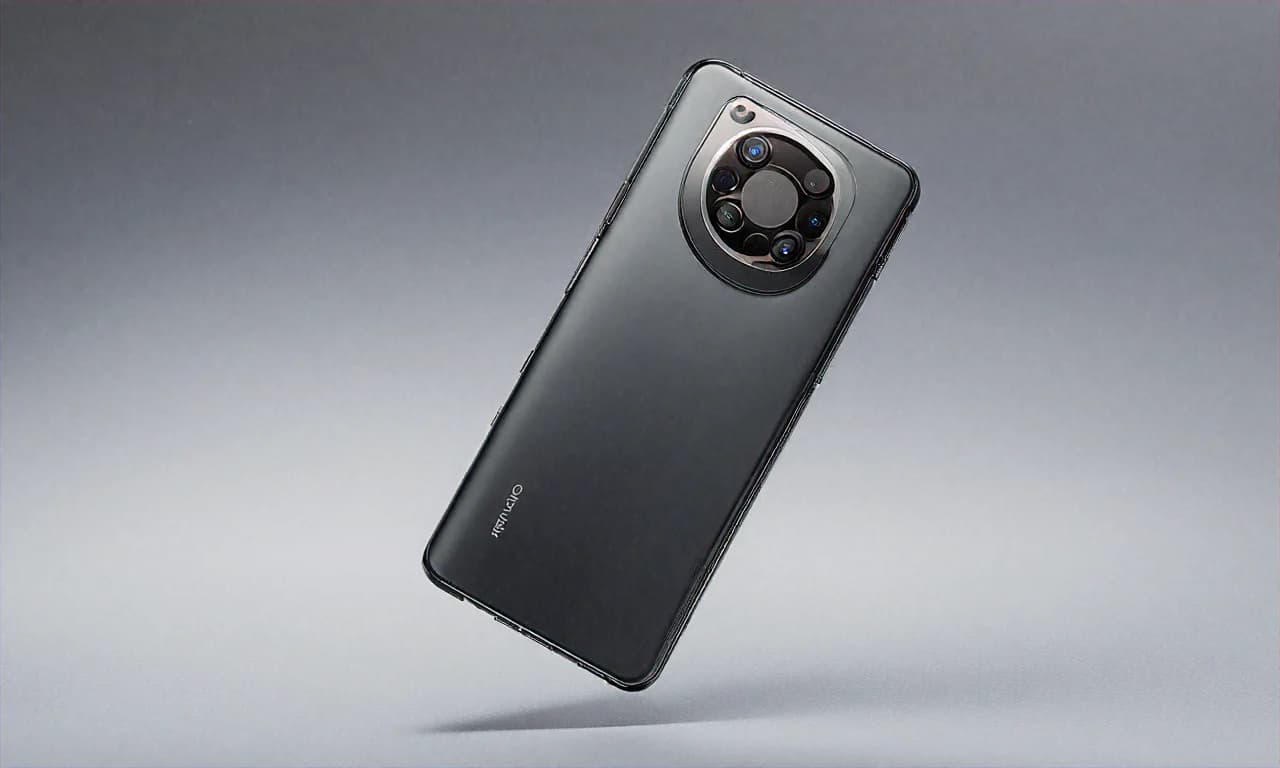
Okay so the big selling point. The 200MP ZEISS APO telephoto. I know, I know, megapixel counts don't mean everything. I've said that a hundred times in my older posts. But here's the thing — this isn't just a big number slapped on for marketing. The 200MP sensor paired with ZEISS's APO (apochromatic) lens design actually does something meaningful. It gives you 4.3x optical zoom that doesn't look like mush. I tested it during Holi last month, shooting photos of people from across the ground in our colony, and the detail I got was insane. You could see individual gulal particles on someone's kurta from like 15 metres away. No joke.
The primary sensor is a 50MP Sony LYT-818, and it handles most of your daily shooting. Food photos at the restaurant, street photography while wandering around Chandni Chowk, random shots of your chai at a tapri — all of that comes out looking rich and natural. Vivo has done something smart with the colour processing this generation. Previous Vivo phones used to oversaturate everything. Like, your dal would look like it was cooked in a turmeric nuclear reactor. This time around, colours are warm but believable. The 50MP ultrawide is fine — nothing extraordinary but gets the job done for group photos at family gatherings or landscapes when you're on a trip to Manali or wherever.
What really sets this camera apart though is the V2+ imaging chip. This is Vivo's custom ISP that handles all the computational photography work separately from the main processor. Night mode processing is fast — like noticeably faster than my friend's Galaxy S24 Ultra. I was shooting at Marine Drive in Mumbai around 9 PM last week, and the X200 Pro pulled out details in shadows that I could not even see with my own eyes. The ZEISS T* anti-reflective coating also means you get barely any lens flare. If you have ever tried to shoot into the sun with a phone camera and gotten those ugly green circles all over the image, that problem is basically gone here.
Some Camera Complaints Though
Not everything is perfect with the camera. The video stabilization in 4K mode still has a bit of jitter when you're walking fast. I noticed it while recording a reel at a friend's wedding reception in Jaipur — the footage looked slightly wobbly when I was moving through the crowd to get to the stage. 1080p video is buttery smooth though so maybe stick to that for walking shots. Also, the selfie camera at 32MP is fine but nothing special. It tends to smooth skin a bit too aggressively by default, which is annoying if you want a natural look. You can turn that off in settings, but I wish they would just default to keeping things natural. Why would you assume everyone wants that airbrushed look?
Performance — The Dimensity 9400 is No Joke
I'll admit I'd my doubts about MediaTek. Old habits, you know? Back in 2019-2020, MediaTek chips were... not great. Budget phones that would stutter on WhatsApp, that kind of era. But the Dimensity 9400 built on TSMC's 3nm process? It's legitimately a monster. In my testing, it trades blows with the Snapdragon 8 Elite in most benchmarks, and actually beats it in sustained performance tests. What that means in real life is that even after 30 minutes of BGMI at max settings, the phone doesn't throttle as badly as some Snapdragon phones I've tested recently.
The 16GB LPDDR5X RAM means you can keep dozens of apps open in the background without any of them getting killed by the memory manager. I had Chrome with like 40 tabs open, Instagram, YouTube, Spotify, and two banking apps (HDFC and Google Pay) all running simultaneously and switching between them was instant. Zero reload. The 512GB UFS 4.0 storage is more than enough for most people — though honestly, I do wish they offered a 256GB variant at a lower price for people who do not need half a terabyte. Not everyone shoots in ProRAW, you know?
Gaming performance specifically — BGMI runs at 90fps on smooth+extreme settings without frame drops for the most part. Genshin Impact on highest settings hovers around 55-60fps which is very respectable for any phone. The phone does get warm during extended gaming sessions, maybe around 42-43 degrees on the back panel. Not hot enough to be uncomfortable, but you will notice it after 20 minutes. The vapor chamber cooling system does its job reasonably well though, and the heat dissipates quickly once you stop gaming.
That Display Though
6.78-inch 2K LTPO AMOLED. 120Hz adaptive refresh rate. 4500 nits peak brightness. These are just numbers on a spec sheet until you actually use the phone outdoors in Delhi during the afternoon. The display remains perfectly visible in direct sunlight. No squinting, no cupping your hand around the screen like you are trying to hide it from someone. It's genuinely one of the brightest phone displays I've used this year.
The colour accuracy is really good too. Vivo gives you multiple display modes — vivid, standard, and professional. I keep mine on standard because vivid is a bit too punchy for my taste, makes everything look like a Bollywood movie poster. HDR content on Netflix and Amazon Prime looks gorgeous on this panel. I rewatched some scenes from Mirzapur recently and the HDR highlights in the darker scenes were properly striking. Samsung Armour Glass protects the display from scratches and drops, which is reassuring because I'm terrible with screen protectors. I always end up with bubbles.
Battery Life and Charging — Solid but Not Perfect
The 5800mAh battery is chunky and it shows in the endurance numbers. On a typical day for me — which involves a lot of browsing, some photography, YouTube for about an hour during lunch, and moderate social media scrolling — I end the day at around 30-35% battery. Heavy users who game for a couple of hours and stream content constantly might need to charge by evening, but most normal users will comfortably get through a full day without any battery anxiety. That's a nice feeling to have.
The 90W FlashCharge fills the battery from zero to full in about 40-42 minutes in my testing. It's fast, no doubt. But honestly? In a market where POCO and Realme are offering 120W charging at literally one-fourth the price of this phone, 90W on an ₹80,000 device feels a bit stingy. Why not go the extra mile when you're already charging ₹80K for the thing?
Also — and this is my single biggest complaint about this phone — no wireless charging. At this price. In 2025. I just don't understand this decision from Vivo. The Xiaomi 15 Pro at ₹64,999 has 50W wireless charging. The Samsung Galaxy S25 at a similar price has it. Even the Nothing Phone 3 at ₹40,000 has wireless charging! Not including wireless charging on a phone that costs this much is a really hard miss and something I can't defend no matter how good the camera is.
Software — Funtouch OS 15 Has Improved, But...
Funtouch OS 15 based on Android 15 is honestly better than previous versions. The animations are smoother, the settings menu is better organized, and the overall look and feel is much cleaner than Funtouch OS 14. Vivo has committed to 4 OS upgrades and 5 years of security patches, which matches Samsung and is better than most other Chinese brands. That commitment is actually great for long-term buyers.
But — and there's always a but with Funtouch — there are still occasional notification ads. Not as aggressive as two years ago, but they pop up now and then in the weather app and in the phone manager utility. You can disable most of them by digging through settings and turning off recommendations, but you shouldn't have to do that on a phone costing ₹80,000. That's just disrespectful to the customer at this price point. The bloatware situation is also meh — you get a bunch of pre-installed apps from Vivo's partners that you will immediately want to uninstall. At least they let you fully uninstall them now, unlike some brands that only let you "disable" their junk apps and they sit there taking up space.
The Good Stuff in the Software
The always-on display options are extensive and customizable. You can pick from dozens of styles or even make your own design. The camera app is one of the best I've used — intuitive layout, quick access to all the shooting modes, and the ZEISS-branded filters are actually tasteful and usable (the Biotar bokeh effect is my personal favourite for portrait shots). The privacy features are solid too, with a proper app lock, dual app support for running two WhatsApp accounts on the same phone, and a hidden space for apps you don't want showing up on your home screen when someone borrows your phone. Pretty handy features.
Build Quality and Design — Premium but Heavy
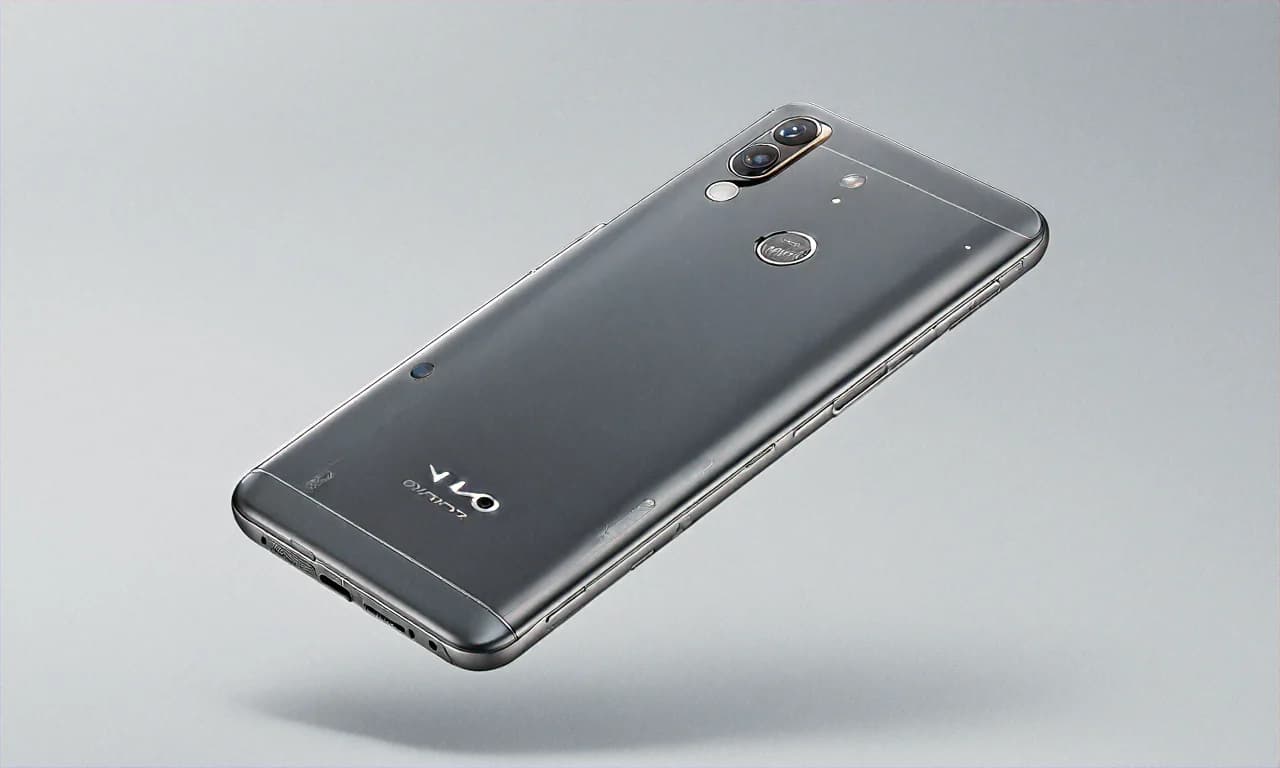
At 228 grams, this phone is heavy. There's no getting around it. After using it for a couple of hours straight — say during a long train journey from Mumbai to Pune — my pinky finger starts protesting. The build quality itself is excellent though. The matte back finish resists fingerprints really well, and the camera module design with the big ZEISS branding is distinctive without being obnoxious. The phone feels premium in hand, which it absolutely should at this price point.
IP69 water resistance is great to have. I've used it in light rain without worrying, and accidentally splashed water on it near the kitchen sink once. No issues at all. But I still wouldn't recommend taking it swimming or anything silly like that — IP ratings are tested in controlled lab conditions with fresh water, not at a beach in Goa with saltwater and sand getting everywhere.
Let Us Talk About This Flipkart Deal
Now for the important bit that you probably came here for. The original MRP was ₹94,999 which, honestly, was too much for a Vivo phone in India. I say that with no disrespect to Vivo — brand perception is a real thing in this country and Vivo hasn't fully cracked the premium market here yet. People will drop ₹1 lakh on a Samsung or Apple without blinking, but ask them to spend ₹95K on a Vivo and they will hesitate. That's just how the Indian market works right now. At ₹79,999 with the current Flipkart discount, the phone becomes much more interesting and easier to justify.
But wait — it actually gets better than that sticker price. HDFC Bank credit card holders get an additional ₹5,000 instant discount on Flipkart. That brings you down to ₹74,999 effectively. SBI card users get ₹4,000 off, making it ₹75,999 for them. If you have an old phone to exchange — say a 2-year-old Galaxy S23 or OnePlus 11 that's in decent working condition — the exchange bonus goes up to ₹20,000 over and above the base exchange value. So theoretically, if everything lines up, you could be paying under ₹60,000 for this phone. Under sixty thousand rupees. For a device with a 200MP ZEISS telephoto camera. When you think about it that way, it's actually a very strong deal.
No-cost EMI is available for up to 12 months on most major credit cards. At ₹79,999 that works out to roughly ₹6,667 per month, or even less if you get the bank discount applied first. Flipkart also has the SuperCoin exchange option where you can use your accumulated SuperCoins for additional discount, though the value there is usually pretty small — like ₹200-300 at best.
Who Should Buy This Phone?
If you are someone who cares about photography above everything else, and you want the best zoom camera on any phone available in India right now, this is it. Full stop. The 200MP telephoto is genuinely in a different league. Portrait photographers, travel enthusiasts who want to capture details from far away, people who shoot their food for Instagram (no judgment from me — I do it too), street photographers in busy Indian markets — you will love what this camera system can do for you.
If you're more of a performance-first buyer or a heavy mobile gamer, honestly the Realme GT 7 Pro or iQOO 13 give you similar chipset-level raw performance for significantly less money. And if wireless charging is non-negotiable for you, look at the Xiaomi 15 Pro or Samsung Galaxy S25 instead.
Who Should Skip?
If you are buying a phone purely for status and brand recognition, the Vivo brand doesn't carry the same social weight as Samsung or Apple in Indian circles. That's just the honest reality. I've literally had people at weddings ask me "oh which Samsung is that?" when I pull out the X200 Pro. Brand perception takes years to change and Vivo is still in that process.
Also definitely skip if you have small hands or prefer lightweight phones. At 228 grams with a 6.78-inch screen, this is a big heavy device and there's no compact variant available. My wife tried using it for a day and gave it back saying her wrist was hurting. Fair enough.
Quick Comparison with the Competition
At around ₹80,000, your main realistic options in India are the Samsung Galaxy S25 (around ₹74,999), the iPhone 16 (₹66,999 on Croma currently), and the Xiaomi 15 Pro (₹64,999 on Amazon). Each has clear strengths.
- Samsung Galaxy S25: Better brand value in India by far, arguably the best software update track record on Android, proper wireless charging included. But the camera zoom capability isn't even in the same ballpark as the X200 Pro's 200MP telephoto. Samsung's 3x telephoto is good, Vivo's output at 4.3x is significantly more detailed.
- iPhone 16: Best pick for people already deep in the Apple world with AirPods, MacBooks, and iPads. Better video recording and overall app optimization. Much longer software support. But camera hardware on paper is weaker than the X200 Pro, and you get much less RAM and storage for the money.
- Xiaomi 15 Pro: At ₹64,999, it's ₹15,000 cheaper with Leica optics, 50W wireless charging, and a bigger 6100mAh battery. Honestly tough competition. But the Vivo's telephoto zoom quality is noticeably better than Xiaomi's 3x lens, and Funtouch OS is slightly less ad-heavy than HyperOS in my experience.
when it comes down to it, the Vivo X200 Pro at ₹79,999 on Flipkart is a phone I can recommend — but only to the right buyer. If camera quality, especially telephoto and zoom photography, is your absolute top priority, nothing else available in India right now comes this close. The 200MP ZEISS telephoto produces images that truly make you question whether you even need a dedicated camera on trips anymore. Performance is flagship-grade, the display is among the brightest available, and battery life is very good for the screen size. The missing wireless charging and the occasional Funtouch OS ad annoyances prevent it from being perfect. And at 228 grams, it isn't for everyone physically. But grab that HDFC or SBI card discount, throw in an exchange deal on your old phone, and you could realistically be holding one of the best camera phones in India for under ₹60,000. For the photography-obsessed, that's a deal worth taking seriously.