Xiaomi 15 Pro Review: I Switched From Samsung for This. Here's What Happened.
I need to give you some context before I get into this review. For the last three years, I've been a Samsung person. Galaxy S22, then S23, and I was fully planning to get the S25 this year. Samsung's One UI is clean, the updates come on time, the cameras are reliable. I'd zero complaints. But then the Xiaomi 15 Pro showed up on Amazon India at ₹64,999 — that's ₹15,000 off the MRP of ₹79,999 — and I made the mistake of visiting a Xiaomi store in DLF Promenade, Vasant Kunj (Delhi) to try it out. "Just to see," I told myself. "I'm not buying a Xiaomi flagship." Famous last words.
I walked out with the phone twenty minutes later. My Samsung Galaxy S23 is now my backup phone sitting in a drawer. And after using the Xiaomi 15 Pro as my daily driver for over three weeks, I've a LOT of thoughts. Some very positive. Some frustrating. Let me break it all down.
The Leica Camera — The Reason I Switched
Let me tell you exactly what happened at the Xiaomi store that made me buy this phone. The store guy — nice chap, knew his stuff — asked me to take a portrait photo with the Xiaomi 15 Pro and then with my Galaxy S23. Same subject (he volunteered to be the model), same lighting, same angle. The difference was... embarrassing for Samsung. The Xiaomi portrait had this warm, film-like quality to it. The background blur was natural and graduated — not that harsh artificial cutout look that Samsung sometimes produces. The skin tones were rich without being orange. And the bokeh had these soft, round orbs that looked like they came from an actual camera with a fast lens. That's the Leica effect. And it sold me on the spot.
The Triple 50MP Setup in Detail
All three cameras on the Xiaomi 15 Pro are 50MP, which is rare. Usually, the ultrawide and telephoto get lower-resolution sensors. Having 50MP across the board means consistent quality no matter which lens you use. Here's how each one performs in real life:
Primary sensor (Light Fusion 900): This is Xiaomi's largest camera sensor ever. They claim it captures 36% more light than the sensor in the Xiaomi 14 Pro, and in practice, that translates to less noise in low light and better dynamic range in tricky lighting situations. I tested it extensively during a weekend trip to Rishikesh with friends. Shooting the ghats at sunset with the sky blazing orange and the buildings in shadow — the Xiaomi captured both the bright sky and the dark buildings with detail in each. My old Samsung would have blown out the sky or underexposed the buildings. Not perfectly every time, but the hit rate on the Xiaomi was noticeably higher.
Telephoto (50MP Leica, 3x optical zoom): This is where the Leica partnership really shines. Portraits at 3x zoom have this dreamy quality that's hard to describe. The colours are slightly warm — not Samsung warm, not Apple neutral, but this specific Leica warmth that makes skin tones look like they're lit by golden hour light even when they aren't. I took some portrait shots of my friend at a cafe in Hauz Khas Village (Delhi) and she immediately asked me what filter I used. No filter. Just Leica colour science. The 3x zoom also means you can get candid shots of people from a comfortable distance without being in their face, which I prefer for street photography.
Ultrawide (50MP): Most ultrawide cameras on phones are an afterthought — 8MP or 12MP sensors that produce mushy images. The 50MP ultrawide on the Xiaomi 15 Pro is actually good. Group photos at restaurants, space shots during travel, architecture photos of buildings — all come out sharp and detailed. The colour consistency between the three lenses is excellent. There's barely any colour shift when switching from the primary to ultrawide to telephoto, which tells me Xiaomi has put real work into calibrating all three cameras together.
Leica Authentic vs Leica Vibrant
The camera app gives you two Leica colour profiles to choose from. Leica Authentic aims for a natural, slightly desaturated look that photographers tend to prefer — it gives you more room to edit later. Leica Vibrant pumps up the colours and contrast for a more eye-catching look straight out of the camera. I personally shoot in Leica Authentic for landscapes and street photography, and switch to Leica Vibrant for food photos and social media posts. The ability to choose is nice. Most phones just give you one processing style and you're stuck with it.
Where the Camera Falls Short
Video stabilization is good but not iPhone-level good. Walking and recording at 4K 30fps, you get a mild wobble that Apple phones somehow manage to eliminate completely. For reels and Instagram stories, it is perfectly fine. For professional-looking walking videos, you would want to use a gimbal or stick to 1080p where the stabilization is tighter.
The selfie camera at 32MP is decent but nothing amazing. In well-lit conditions, selfies look sharp and natural. In dim lighting, the quality drops noticeably. Video calls on Zoom and Google Meet look okay but not as clear as what the iPhone 16 produces with its front camera. If selfies and video calls are a big part of your phone usage, this is worth knowing.
Performance and the Snapdragon 8 Elite
The Snapdragon 8 Elite is Qualcomm's current top-of-the-line chip, and paired with 16GB LPDDR5X RAM and 512GB UFS 4.0 storage, the Xiaomi 15 Pro is an absolute powerhouse. But you already know that from the spec sheet. What matters more is how it feels in daily use.
Coming from the Galaxy S23 with the Snapdragon 8 Gen 2, the speed difference is noticeable but not dramatic in everyday tasks. Opening apps is slightly faster. Multitasking is smoother. But where the Snapdragon 8 Elite really flexes is in sustained performance. I played BGMI at max settings for 45 minutes straight, and the performance was consistent from start to finish. No frame drops in the last 10 minutes. No thermal throttling that you can feel through the phone. My Galaxy S23 used to get uncomfortably warm after 20 minutes and you could feel the frames dipping. The Xiaomi 15 Pro runs warm but never hot, and the performance stays flat. That's impressive thermal management.
The 512GB UFS 4.0 storage means I'm not worrying about running out of space anytime soon. App install times are blazing fast. File transfers to my laptop over USB are quick. And having 16GB RAM means I can keep a ridiculous number of apps open in memory without any of them getting killed. I counted once — I'd 23 apps in the recent menu and none of them needed to reload when I tapped back into them. With 8GB RAM phones, you're lucky to keep 8-10 apps alive.
The Display — 2K AMOLED at 3200 Nits
The 6.73-inch 2K LTPO AMOLED display with 3200 nits peak brightness is legitimately outstanding. It's not quite as bright as the Vivo X200 Pro's 4500 nits, but 3200 nits is more than enough for any real-world scenario. Outdoor readability in direct sunlight? No problems at all. Colours are vibrant and accurate, with Dolby Vision and HDR10+ support making streaming content look fantastic.
Xiaomi's Dragon Crystal Glass 2.0 protects the screen. I've been using the phone without a screen protector for three weeks (living dangerously, I know) and there are no visible scratches yet. I keep the phone in a separate pocket from my keys, so that helps. But the glass seems reasonably scratch-resistant so far.
The 120Hz LTPO adaptive refresh rate drops all the way down to 1Hz when the screen is showing static content, which helps with battery life. The always-on display is clean and customizable — nothing fancy, just the time, date, notification icons, and a Leica-branded watermark if you enable it. The under-display fingerprint sensor is ultrasonic and very fast. Easily as fast as Samsung's, which I considered the benchmark until now.
Battery — 6100mAh Silicon-Carbon Changes the Game
This is the spec that initially caught my attention even before the Leica camera pulled me in. 6100mAh. In a flagship phone. Most flagships give you 4500-5000mAh and call it a day. Xiaomi squeezed in 6100mAh using silicon-carbon battery technology, which allows for higher energy density in the same physical space. What this means in practice is that you get flagship performance with mid-ranger battery life.
My typical day involves about 5-6 hours of screen-on time — email, browsing, social media, some photography, 30-45 minutes of YouTube, and occasional calls. By the end of the day (around 11 PM), I usually have 35-45% battery left. That's insane for a flagship. My Galaxy S23 would be at 15-20% by the same time. On lighter days where I'm mostly in meetings and not using the phone much, I can easily get through a day and a half without charging. Once I made it to the second evening before hitting 20%, though I wasn't trying to conserve battery — just happened to be busy with non-phone things.
Charging Options — Wired, Wireless, and Reverse
120W HyperCharge fills the 6100mAh battery in about 25 minutes. Yes, twenty-five minutes from zero to one hundred percent. I've timed it three times and the results were 24, 25, and 26 minutes. That's absurdly fast for a battery this large. For context, the iPhone 16 Pro with its smaller 4685mAh battery takes over an hour to fully charge. The Samsung Galaxy S25 takes about 55 minutes. The Xiaomi charges a bigger battery in less than half the time.
50W wireless charging is included and works great with any Qi-compatible pad. I bought a ₹1,500 wireless charger from Amazon and it works perfectly — fully charges the phone in about 50-55 minutes wirelessly. Not as fast as wired, obviously, but very convenient for overnight charging or on a desk at work. There's also 10W reverse wireless charging, which I've used exactly once to charge a friend's earbuds when they ran out at a cafe. A gimmick, but a fun one to show off.
HyperOS 2.0 — The Good, the Bad, and the Ads
Here's where things get complicated. And honestly, this is the main reason I almost didn't switch from Samsung. HyperOS 2.0, Xiaomi's Android 15-based skin, is a mixed bag. Let me break it down honestly.
The Good
The UI is visually polished. Animations are smooth, the control centre looks clean and modern, and the customization options are extensive. You can change icon packs, font styles, lock screen designs, always-on display styles — basically everything. The file manager is functional. The gallery app is good. The phone app and messaging app work fine. The interconnectivity features with other Xiaomi devices (like their earbuds and smartwatch) work well if you are in that world.
Performance-wise, HyperOS 2.0 is snappy. Apps launch fast, multitasking is smooth, and I've not experienced any bugs or crashes in three weeks of use. Battery optimization is intelligent — the phone learns your usage patterns and adjusts background app management accordingly. After about a week, I noticed the battery life getting slightly better as the phone figured out my habits.
The Bad — Ads and Bloatware
Xiaomi still puts ads in system apps. The Settings app has recommendations. The Security app shows promotional content. The file manager has sponsored suggestions. The Mi Browser — which I don't use but which can't be fully uninstalled — sends promotional notifications if you don't disable them manually. For a phone costing ₹65,000, this isn't acceptable in my opinion. Samsung doesn't do this. Apple doesn't do this. At this price tier, I expect a clean software experience.
Now, can you disable all of this? Mostly yes. There is an option in Settings to turn off "Receive recommendations" in most Xiaomi apps. You need to go into each app individually and toggle it off. Takes about 15-20 minutes to go through everything. After that, the ad situation is much better — not completely gone, but reduced to the point where you rarely notice them. I still find it annoying that I have to do this at all, but once done, it stays done.
The bloatware is moderate. You get GetApps (Xiaomi's app store), Mi Browser, Mi Video, ShareMe, and a few other Xiaomi apps that you probably won't use. Most can be uninstalled. Some can only be disabled. Not as bad as what POCO phones come with, but not clean like Samsung or Nothing.
Build and Design — Heavy but Handsome
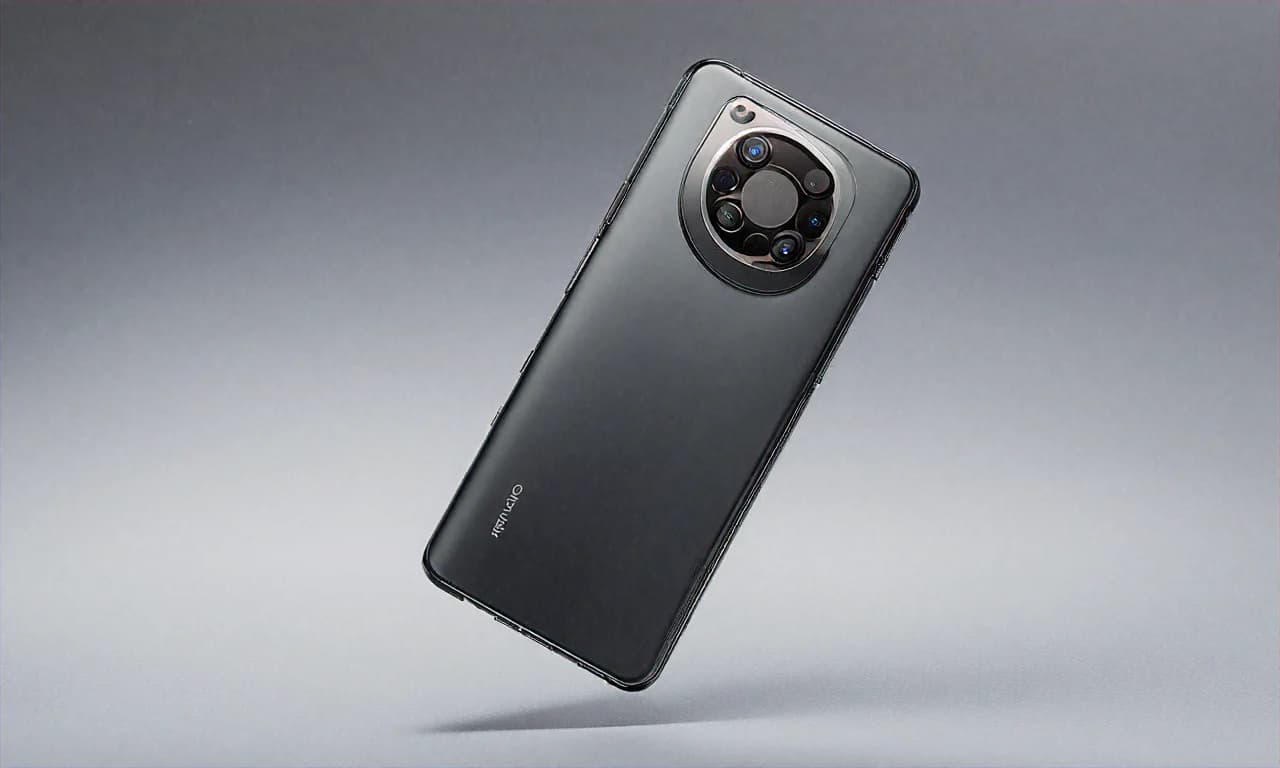
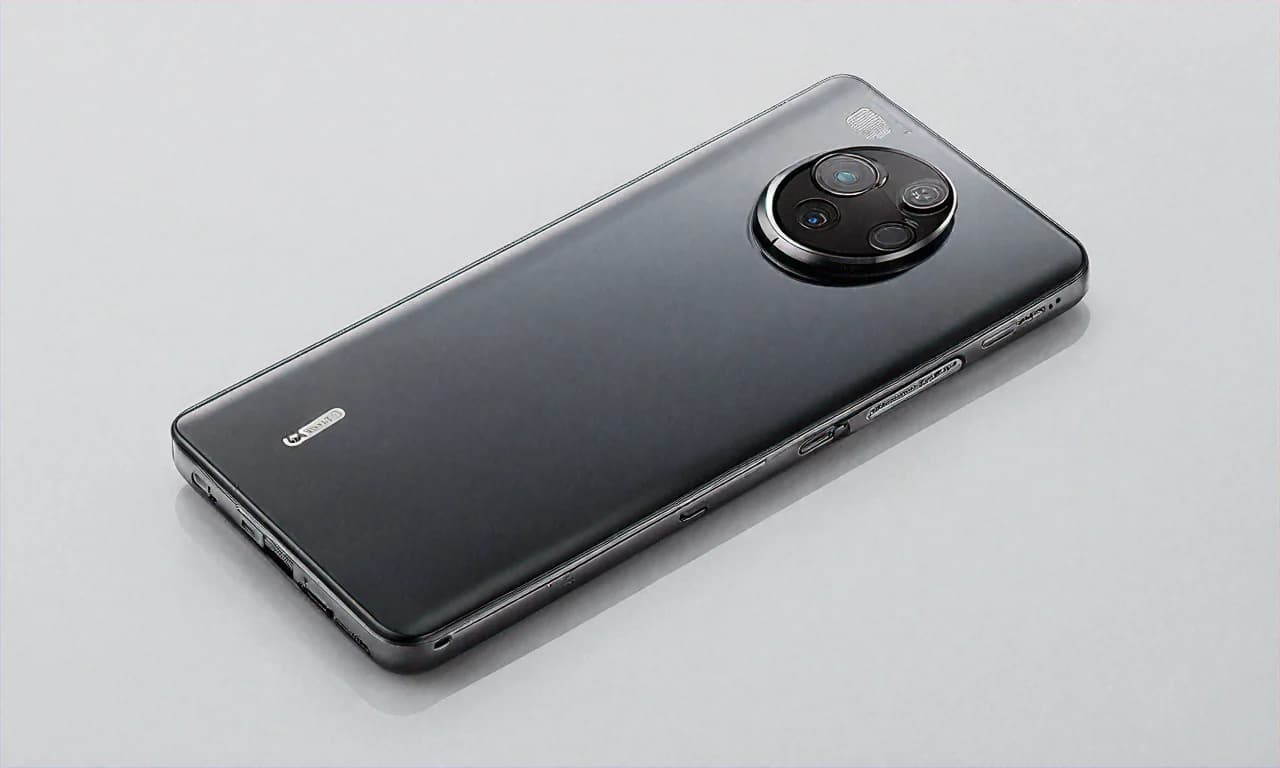
At 213 grams, the Xiaomi 15 Pro is on the heavier side but not uncomfortably so. The weight is evenly distributed and the phone feels balanced in hand. The back panel has a frosted glass finish that resists fingerprints decently — not as well as the Vivo X200 Pro's matte finish, but much better than glossy glass phones that turn into a smudge gallery within minutes. The Leica branding on the camera module is tasteful. The overall design is premium without being flashy.
IP68 water resistance gives you protection against submersion in 1.5 metres of water for 30 minutes. I've used the phone in rain multiple times — Bangalore weather during February-March is unpredictable — and had no issues. The SIM tray seal feels sturdy and the port openings look properly gasketed.
The Amazon India Deal — Let Us Do the Math
Amazon has the Xiaomi 15 Pro at ₹64,999, which is already ₹15,000 off the MRP of ₹79,999. That's a solid 19% discount right off the bat. But the bank offers stack on top of this and make the deal significantly better.
HDFC Bank credit and debit card holders get an additional ₹5,000 instant discount. That brings the price to ₹59,999. Sixty thousand rupees for a Snapdragon 8 Elite phone with Leica cameras, 16GB RAM, 512GB storage, and 6100mAh battery. At that price, it undercuts the Samsung Galaxy S25 (₹74,999) by ₹15,000 while offering a bigger battery, faster charging, more storage, and arguably comparable cameras.
Axis Bank Buzz credit card users get 5% cashback, which on ₹64,999 works out to about ₹3,250 back. Exchange offers go up to ₹22,000 for recent flagship phones. I checked the exchange value for my Galaxy S23 (1.5 years old, good condition) and Xiaomi offered ₹18,000 on Amazon. So my effective out-of-pocket cost with HDFC discount + exchange was roughly ₹42,000. For this phone. That's really excellent value.
No-cost EMI is available from 3 to 12 months on most major credit cards. At ₹64,999 on a 6-month no-cost EMI, you're paying about ₹10,833 per month. With the HDFC discount bringing it to ₹59,999, that drops to ₹10,000 per month for 6 months. Very manageable for most working professionals.
Xiaomi 15 Pro vs Samsung Galaxy S25 — The Question Everyone Asks
Since I switched from Samsung, everyone asks me this. Here's my honest comparison after using both:
- Camera: The Xiaomi's Leica colour science produces more emotionally appealing photos. Samsung's colours are more accurate and neutral. Depends what you prefer. For social media and casual photography, I prefer Leica. For professional or documentary work, Samsung might be better.
- Battery life: Xiaomi wins by a mile. 6100mAh vs Samsung's 4000mAh. It's not even close. I charge the Xiaomi every 1.5 days instead of every night.
- Charging: Xiaomi wins again. 120W wired + 50W wireless vs Samsung's 25W wired + 15W wireless. The Xiaomi charges in 25 minutes, Samsung takes an hour. Both have wireless charging though, which is good.
- Software: Samsung wins. One UI is cleaner, ad-free, and gets updates faster. HyperOS has ads and bloatware. This is the one area where I genuinely miss my Samsung.
- Updates: Samsung promises 7 years of updates. Xiaomi promises 4 years. Samsung wins clearly.
- Brand perception: In India, Samsung is still seen as the "safe" premium Android choice. Xiaomi is seen as a "value" brand, even when they sell flagships. This matters to some people, not to others.
- Price: At ₹64,999 (or ₹59,999 with HDFC), the Xiaomi is ₹10,000-₹15,000 cheaper than the Galaxy S25 while matching or exceeding it in most hardware areas.
Three Weeks In — Do I Regret Switching?
Honestly? No. The Leica camera system produces photos that I honestly love sharing. The battery life has changed my daily routine — I no longer carry a charger to work. The 120W charging means that even when I do need to top up, it takes less time than my morning chai break. The performance is flawless.
What I miss from Samsung is the cleaner software, the faster update schedule, and the peace of mind that comes with buying from a brand that has proven its flagship reliability over many years. Xiaomi is still building that trust in the premium segment. The ads in system apps, even though they can be disabled, leave a sour taste at ₹65,000.
But when I look at the photos I've taken with the Xiaomi 15 Pro — the portraits with that warm Leica glow, the street shots from Chandni Chowk with perfect dynamic range, the sunset over Hauz Khas with rich, layered colours — I know I made the right choice for the way I use my phone. If you're a photography enthusiast who also wants a performance flagship with absurd battery life, the Xiaomi 15 Pro at ₹64,999 on Amazon (₹59,999 with HDFC discount) is hard to beat. Just be prepared to spend 20 minutes cleaning up the software on day one. After that, it is smooth sailing. Well, mostly. Xiaomi still has work to do on the software front. But the hardware? The hardware is absolutely there.