Rs 20,000 for THIS? The Xiaomi Pad 7 Makes Zero Sense (In a Good Way)
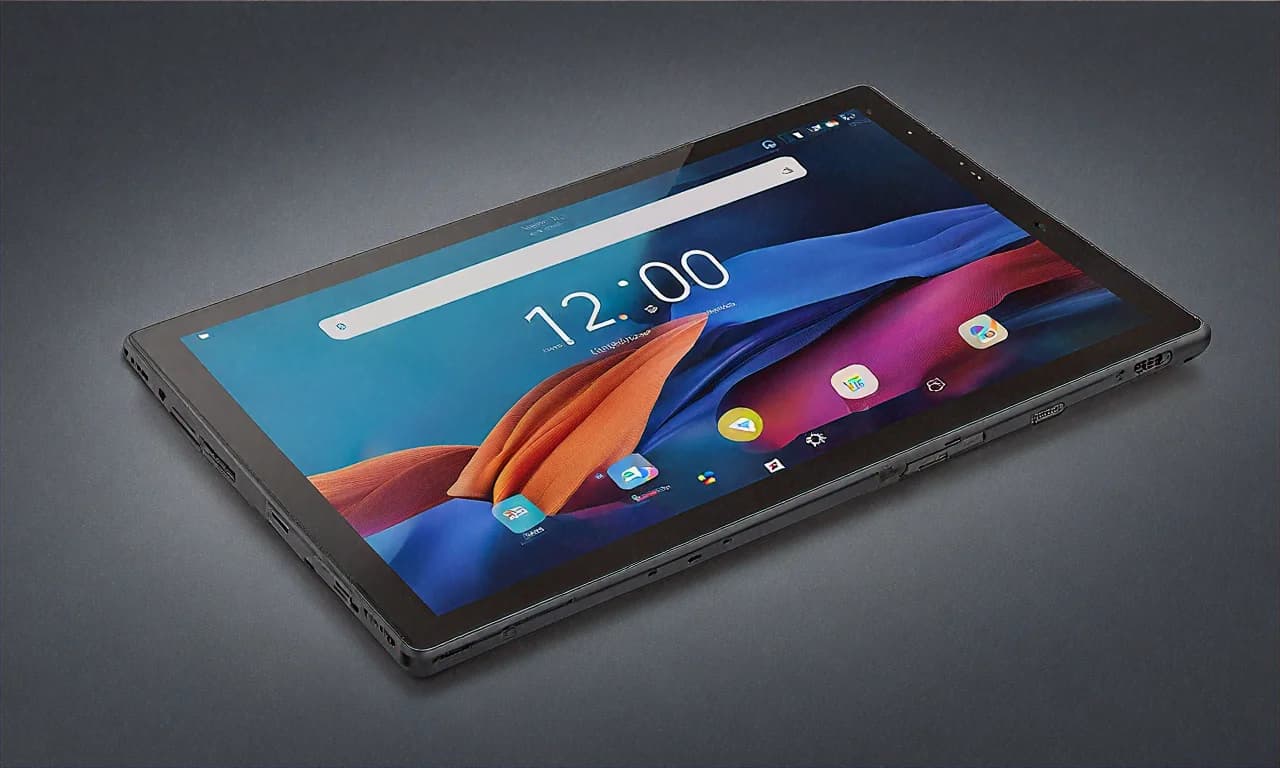
There's a running joke in the tech community that Xiaomi's product managers just look at what the competition charges and then cut the price in half while keeping 80% of the features. With the Xiaomi Pad 7, I'm starting to think it's not a joke — it's the actual business strategy. Because there's absolutely no rational explanation for how Xiaomi is selling a tablet with a Snapdragon 7+ Gen 3 processor, a 3.2K resolution display, 144Hz refresh rate, quad Dolby Atmos speakers, and an 8,850mAh battery for Rs 19,999 on Amazon India. That's twenty thousand rupees. For reference, that's roughly what two people spend on a nice dinner at a Delhi restaurant in Khan Market.
I bought this tablet on impulse during a work trip to Hyderabad. I was at the airport, had three hours to kill, and my old tablet had died the previous week. Added it to my Amazon cart, saw the Rs 4,000 discount (down from Rs 23,999), and just went for it. Got it delivered to my hotel the next day via Prime. And honestly? It might be the best impulse purchase I've made all year.
Let's Start with What Everyone Notices First — That Display
The 11.2-inch display on the Xiaomi Pad 7 is, without exaggeration, the best screen you can get on any tablet under Rs 25,000 in India. I'd argue it holds its own against tablets that cost Rs 30,000-35,000 too. Here's why.
The resolution is 3200 x 2136. That's what Xiaomi calls "3.2K" and it means the pixel density is around 330 PPI. For context, the iPad 10th Gen at Rs 35,000 has a pixel density of about 264 PPI. The Samsung Tab S9 FE at Rs 30,000 has about 247 PPI. The Xiaomi Pad 7's screen is sharper than both. At a significantly lower price. Let that register for a moment.
What does this mean in practice? Text is incredibly crisp. I read a lot on tablets — articles, newsletters, the occasional ebook — and the text rendering on the Pad 7 is noticeably clearer than my previous tablets. Small font sizes that looked fuzzy on lower-resolution screens are perfectly legible here. If you read a lot on your tablet, you'll appreciate this.
The 144Hz refresh rate is the cherry on top. Everything moves smoothly — scrolling through Instagram, swiping between apps, navigating menus. There's a visceral satisfaction to using a 144Hz display that's hard to describe until you've experienced it. My friend has a Samsung Galaxy Tab A9+ with a 90Hz screen and when I showed him my Xiaomi Pad 7, his first reaction was "why does yours feel so much faster?" It's the refresh rate. 144Hz versus 90Hz. You feel the difference immediately.
Peak brightness is rated at 800 nits, which is very good for an IPS LCD at this price. I've used it in well-lit rooms, near windows, and even briefly outdoors, and the screen remains readable in most conditions. Direct sunlight still washes it out a bit — this is an IPS panel after all, not AMOLED — but for normal indoor and semi-outdoor use, brightness isn't an issue.
There's also TUV Rheinland low blue light certification, which supposedly reduces eye strain during extended use. I'm sceptical about these certifications in general — they feel like marketing checkboxes — but I'll say that reading on the Pad 7 for 2-3 hours at night didn't give me the headache I sometimes get from other screens. Could be the certification. Could be placebo. Either way, my eyes were comfortable.
One Display Complaint Though
It's IPS LCD. Not AMOLED. At Rs 20,000, asking for AMOLED might be unreasonable, but it's worth mentioning because the contrast ratio and black levels are noticeably inferior to phones with OLED screens. If you're watching a dark movie or playing a horror game, the blacks will look grey-ish. The backlight bleeds through, especially visible along the edges if you're in a completely dark room.
Also, the screen doesn't have an official HDR10+ certification from what I can tell. It supports Dolby Vision, which is good for Netflix and Apple TV+, but some content that's specifically encoded in HDR10+ might not look its best. For most users this is a non-issue, but if you're particular about HDR standards, it's worth knowing.
Snapdragon 7+ Gen 3 — Budget Chip? Hardly
Qualcomm's Snapdragon 7+ Gen 3 is technically a "mid-range" chipset, but calling it mid-range feels dishonest. This chip performs closer to the flagship Snapdragon 8 Gen 2 from last year than to the typical mid-range processors you find in this price range (like the Exynos 1380 in the Samsung Tab S9 FE or the Helio G99 in the Realme Pad 2).
Let me give you some real numbers. In Geekbench, the Pad 7 scores around 1200 single-core and 4000 multi-core. The Samsung Tab S9 FE with its Exynos 1380 scores about 750 single-core and 2100 multi-core. The Xiaomi is nearly twice as fast in multi-core tasks. For a tablet that costs Rs 10,000 less. Xiaomi, what are you doing?
In daily usage, this translates to a tablet that feels legitimately fast. Not "fast for the price" — actually fast. Apps open quickly, multitasking is fluid, and the 8GB of LPDDR5 RAM means I can switch between multiple apps without them reloading. I regularly have Chrome (with 5-6 tabs), YouTube, Telegram, and a note-taking app all open simultaneously, and switching between them is near-instant.
Gaming? Surprisingly capable. BGMI runs at High graphics and Extreme frame rate — smooth and playable. Genshin Impact on medium settings holds around 40-45fps, which is decent (not the 60fps experience you'd get on the OnePlus Pad 2 with its Snapdragon 8 Gen 3, but definitely playable). Casual games like Subway Surfers, Asphalt 9, and Among Us run flawlessly. If you're a casual gamer who doesn't need maximum settings, the Pad 7 handles it well.
Storage — Good News and Bad News
Good news: 128GB of storage is generous at this price. After the system takes its share, you get about 105GB of usable space. That's enough for most people — a reasonable number of apps, photos, downloaded shows, and a game or two.
Bad news: there's no microSD card slot. None. Xiaomi went with no expandable storage on the Pad 7. This is a genuine drawback, especially in India where internet speeds can be inconsistent and downloading content for offline viewing is common. If you fill up that 128GB, your only option is to delete stuff or use cloud storage (which requires reliable internet).
For comparison, the Samsung Tab S9 FE supports microSD up to 1TB. The Realme Pad 2 also has expandable storage. So if storage flexibility matters to you, those might be better options despite their weaker processors.
My workaround: I use Google Photos to back up photos automatically (free up to 15GB with compression, and I pay for the 100GB Google One plan at Rs 130/month). For music, I stream on Spotify rather than downloading. For movies and shows, I download what I plan to watch in the next week and delete after watching. With this approach, I've used about 60GB in a month and still have plenty of room.
Entertainment — This Is Where the Pad 7 Truly Shines
I'm going to be direct: the Xiaomi Pad 7 is the best entertainment tablet under Rs 25,000 in India. Period. The combination of that sharp 3.2K display, quad Dolby Atmos speakers, Dolby Vision HDR support, and a massive battery creates a media consumption experience that's worth way more than what you're paying.
The four speakers are tuned well. They produce clear highs, decent mids, and a hint of bass that adds warmth to music and movie audio. The Dolby Atmos spatial effect is noticeable — watching an action movie, you can sense sound moving across the stereo field. They're not going to replace a Bluetooth speaker for a room party, but for personal viewing on the couch, in bed, or on a train, they're really enjoyable.
I tested streaming quality across different apps:
- Netflix: Streams in Full HD with Dolby Vision on supported content. The Pad 7 has Widevine L1 certification, so you get the full HD experience. The 3.2K display makes even 1080p content look great because of the excellent upscaling.
- Disney+ Hotstar: Full HD streaming works perfectly. Watched the IPL on this last weekend and the large display with quad speakers made it feel like a mini TV. My neighbours probably thought I was watching on an actual television given the speaker volume.
- YouTube: Supports 4K playback (though the display is technically 3.2K, so you won't see the full 4K resolution — but it still looks noticeably sharper than 1080p due to better video bitrate). HDR content on YouTube looks very good.
- Amazon Prime Video: Full HD with HDR10+ support. Watched "Mirzapur" again on this (third rewatch, no judgement) and the dark scenes looked decent for an LCD.
Battery life during streaming is excellent. I consistently get 10-12 hours of video playback on a single charge. That's enough for a Mumbai-to-Delhi flight (2.5 hours), a train journey to Goa (8-10 hours from Bangalore), or a lazy Sunday of non-stop binge-watching. The 8,850mAh battery is a beast for a tablet this thin (6.18mm — impressively slim for this battery size).
45W Charging — Fast Enough
The 45W USB-C charging gets the Pad 7 from zero to about 50% in roughly 40 minutes and to full in about 70 minutes. That's very good for a budget tablet. The Samsung Tab S9 FE takes over 3 hours for the same. The Realme Pad 2 is a bit quicker at 33W but has a smaller battery. Only the OnePlus Pad 2 with its 67W charging is noticeably faster.
Xiaomi includes the charger in the box. 45W compatible. You don't need to buy anything extra. Appreciate the simplicity.
HyperOS 2 — Clean but Missing Some Polish
The Xiaomi Pad 7 runs HyperOS 2 based on Android 15. If you've used a Xiaomi phone recently, you know what to expect — it's clean, reasonably fast, and has a good selection of customization options. The tablet-specific optimizations include split-screen multitasking, floating windows, and a taskbar at the bottom that shows recent apps.
For the most part, it works well. Split-screen with two apps is smooth. The taskbar is useful for quickly switching between apps. The settings are logically organized and there's no excessive bloatware — just the standard Xiaomi apps (browser, gallery, music, notes) that you can uninstall or ignore.
But there are rough edges. Some apps don't scale well to the 7:5-ish aspect ratio, leaving letterboxed or poorly formatted interfaces. The notification shade feels cramped on the 11.2-inch display — it's clearly designed for phone screens and hasn't been fully adapted for tablets. And Xiaomi's update schedule has historically been slower than Samsung's. They've promised two years of OS updates and three years of security patches, which is fine for this price but doesn't inspire long-term confidence.
If software polish and long-term updates matter deeply to you, Samsung's Tab S9 FE with its four OS updates and five years of security patches is the safer bet. If you can live with "good enough" software, the Pad 7's hardware advantages more than compensate at this price.
Build Quality — Impressively Premium for Rs 20,000
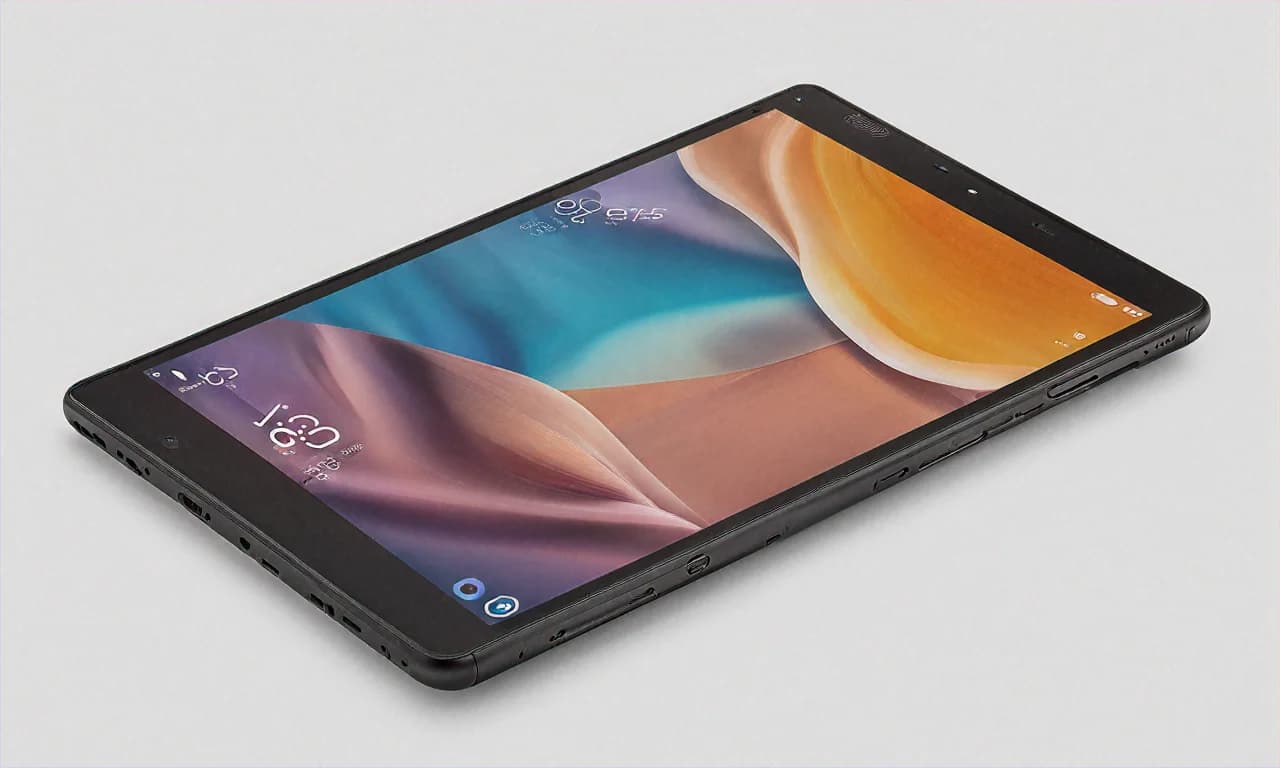
The Xiaomi Pad 7 has an all-metal body at just 6.18mm thin. Let me put that in context: the iPad Pro M4, which Apple proudly calls "the thinnest Apple device ever," is 5.3mm. The Xiaomi Pad 7 is only 0.88mm thicker than the most premium tablet on the planet. At one-fifth the price. That's absurd.
The build feels solid and clean. The metal back doesn't flex, the edges are nicely chamfered, and the weight at 487g is comfortable for one-handed use (though for extended reading, you'll want to prop it up or get a case). The finish is understated — the Cosmic Black variant I've looks professional without being flashy. I could see a college student carrying this to class or a professional using it in a meeting without anyone raising eyebrows.
There's no IP rating for water resistance, which is expected at this price. Don't use it in the rain or near the swimming pool. But for normal indoor use, the build quality is way above what Rs 20,000 usually gets you in the tablet market.
Camera — Exactly What You'd Expect
13MP rear camera, 8MP front camera. Both are perfectly mediocre. The rear camera scans documents acceptably and takes photos that are fine in good lighting, blurry in low light. The front camera handles video calls on Zoom, Google Meet, and WhatsApp adequately. Nobody will complain about video quality, but nobody will compliment it either.
I don't think anyone buying a Rs 20,000 tablet expects great cameras, so I'm not going to spend more time on this. They're there. They work. Use your phone for real photography.
The Amazon Deal — Maximum Savings Breakdown
Here's the full picture of what you can save on the Xiaomi Pad 7 right now:
- Amazon base price: Rs 19,999 (MRP Rs 23,999, so Rs 4,000 flat discount — 17% off)
- SBI credit card on EMI: 10% instant discount up to Rs 1,500. Effective price: Rs 18,499. If you bank with SBI — and a huge chunk of India does — this is the deal to use.
- HDFC Bank debit card: Rs 500 off on orders above Rs 15,000. Smaller discount, but still worth claiming.
- Amazon Pay ICICI card: 5% cashback. About Rs 1,000 back on this purchase.
- Amazon Pay balance: Sometimes there's a flat 5% cashback if you load money into Amazon Pay first and then use it for the purchase. Check if this offer is active — it comes and goes.
- No-cost EMI: 6 months at Rs 3,334/month. Very manageable for students or young professionals.
With the SBI offer, you're paying Rs 18,499 for what's, spec-for-spec, one of the most powerful tablets at this price point in India. I checked offline stores — Croma had it for Rs 22,999 with no bank offers. Reliance Digital had it for Rs 21,999. Amazon is the clear winner here.
Comparison shopping tip: Flipkart occasionally matches Amazon's price during sale events. If you have a Flipkart Axis Bank card, the 5% unlimited cashback there might work out better than the Amazon deals depending on the sale. But at the time of writing, Amazon is cheaper.
Who Should Buy the Xiaomi Pad 7?
After spending a month with this tablet, I think the ideal buyer is pretty clear:
College students: You get a sharp display for reading PDFs and taking notes (though you'll need to use your finger or buy a third-party stylus — Xiaomi doesn't offer an official one), a fast processor for everything from Zoom classes to light gaming between lectures, quad speakers for entertainment, and a price that's achievable with a few months of no-cost EMI. If I were joining college this year, the Pad 7 would be my pick.
Entertainment seekers on a budget: If your primary use case is Netflix, YouTube, Hotstar, and music — and you want the best screen and speakers possible without spending Rs 30,000+ — the Pad 7 is unbeatable. Nothing else under Rs 20,000 comes close to this entertainment experience.
Anyone upgrading from a cheap or old tablet: If you've been using one of those Rs 8,000-10,000 tablets from Lenovo or Samsung's A series and want a meaningful upgrade, the Pad 7 will feel like a completely different world. The display quality alone will make you wonder why you waited so long.
Not for: People who need expandable storage (no microSD). People who need a stylus (no official support). People who need long-term software updates (Xiaomi's track record isn't great). People who want AMOLED-quality blacks and contrast.
At Rs 19,999 — or Rs 18,499 with the SBI offer — the Xiaomi Pad 7 is one of those rare products that makes you feel like you're getting away with something. Like you've found a pricing error that Xiaomi hasn't noticed yet. You haven't. They know what they're doing. It's just that good a deal, and I don't think you'll find better value in the Indian tablet market right now.